






Hubbell & Hubbell strives to think outside the conventional building box when it comes to green building strategies and architecture, so this week’s post is focusing on information regarding AAC. What is it?
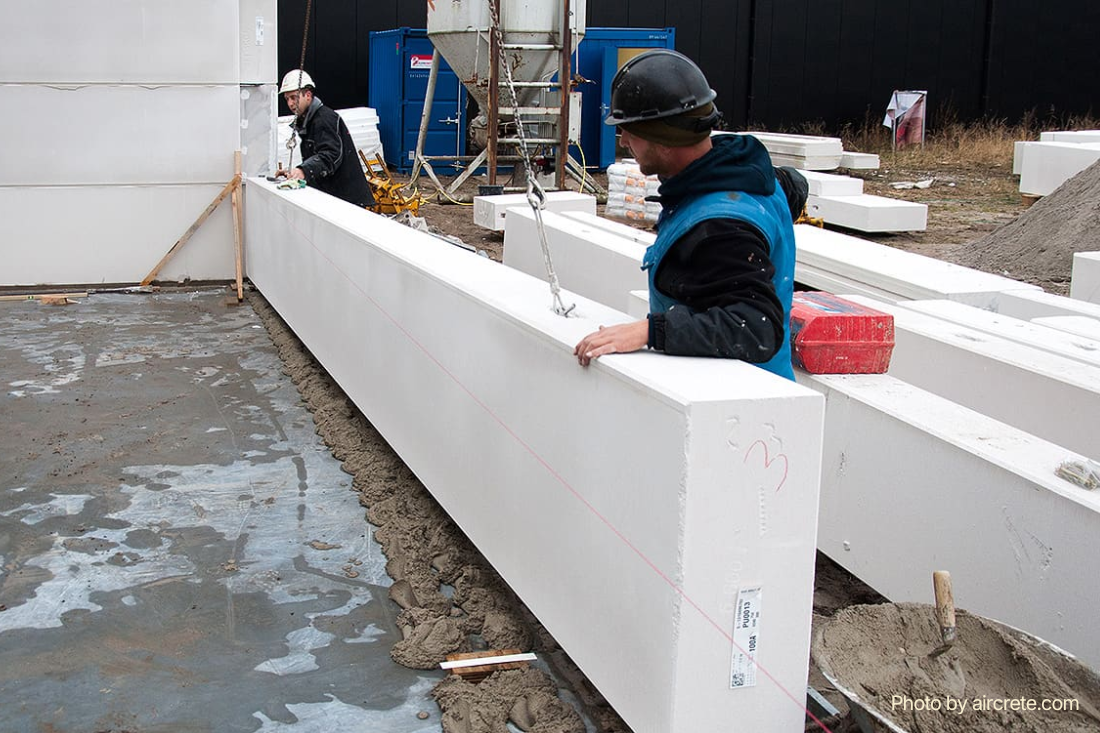
AAC is made from natural, mineral-based ingredients including cement, sand, lime, and an expansion agent.
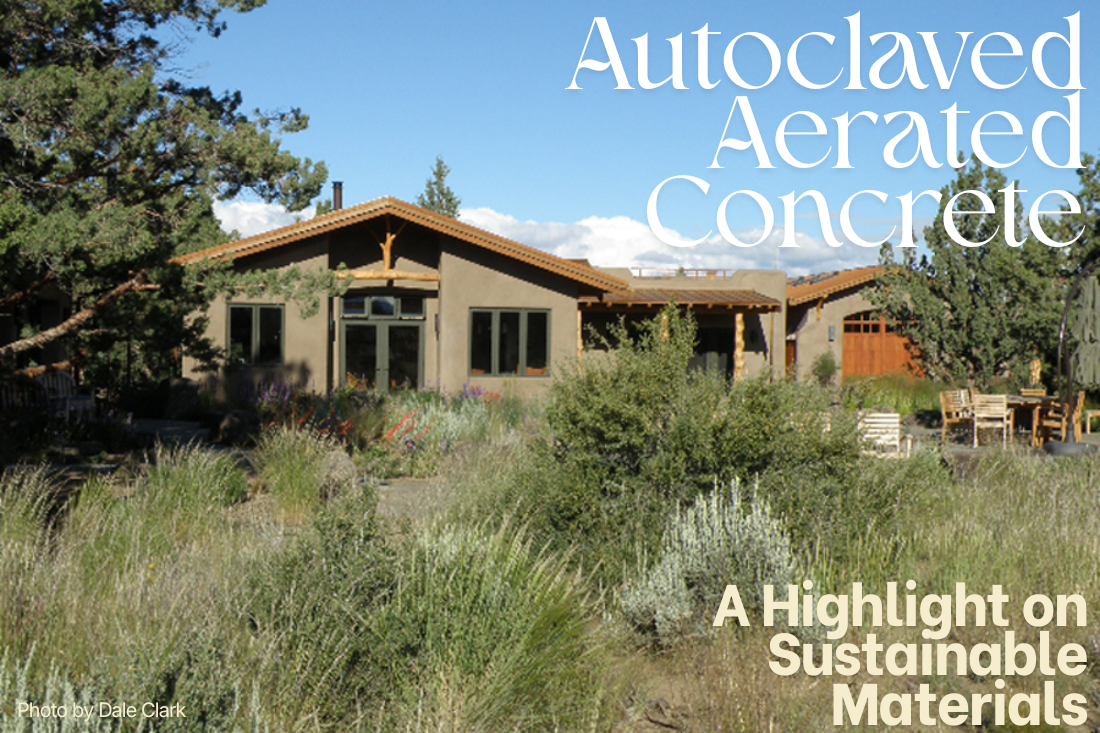
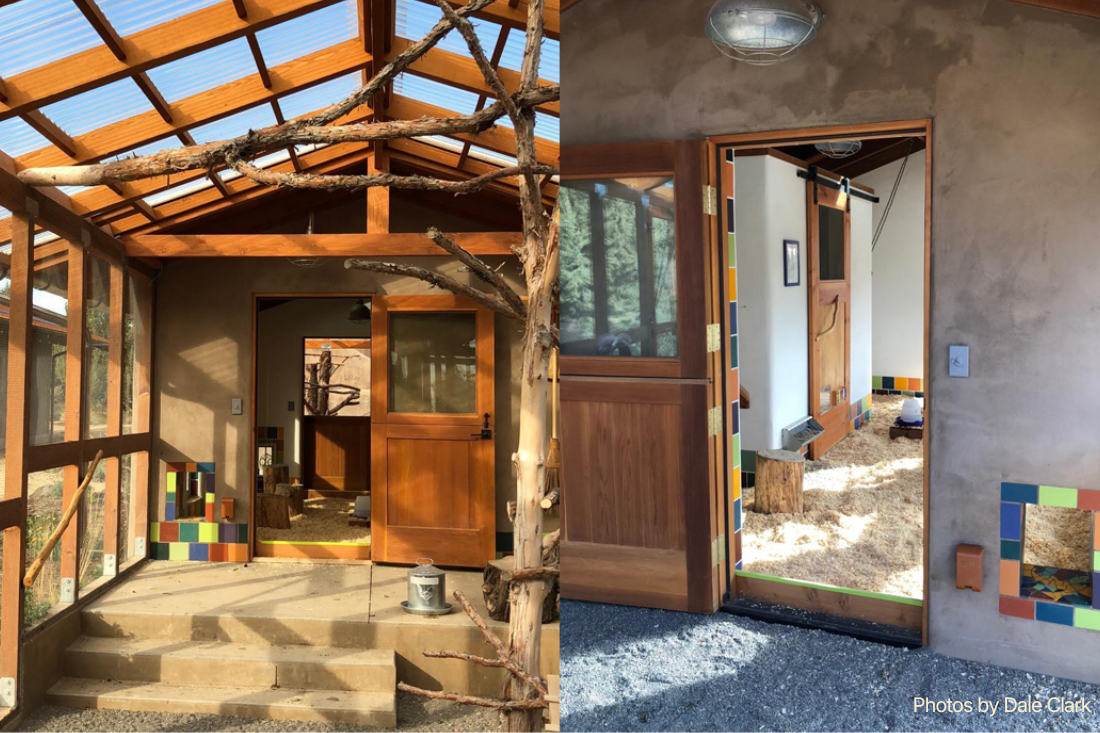
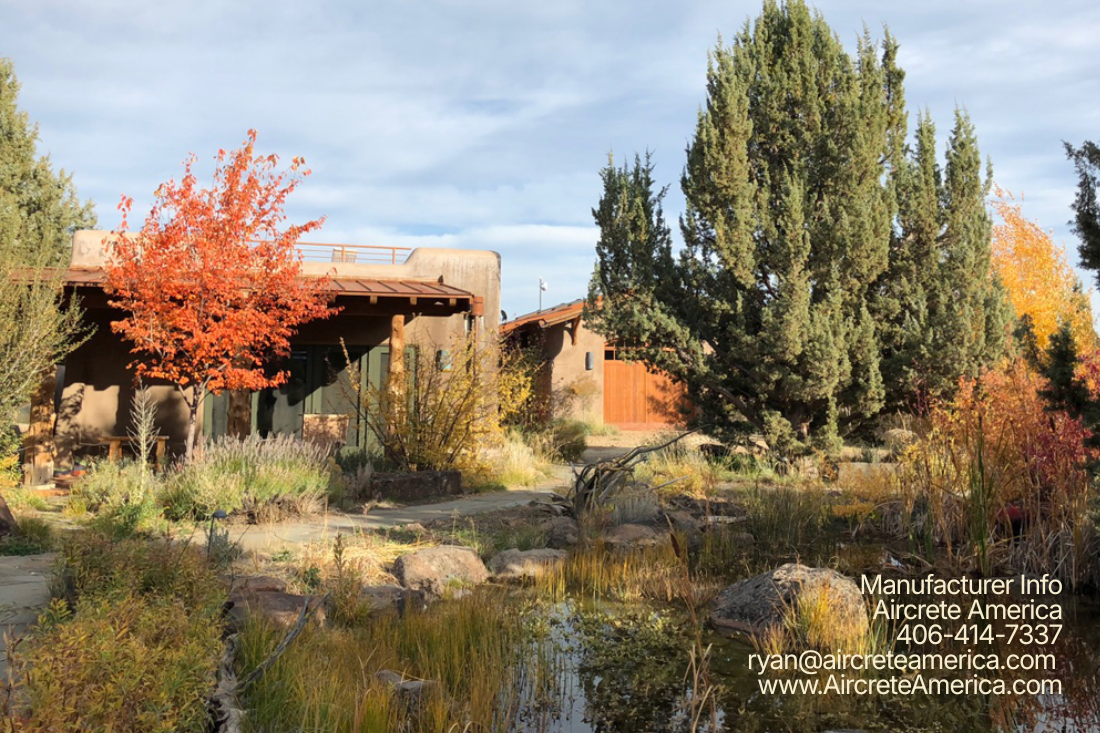
It combines a wall’s structural elements and insulation into one easy-to-construct material. Above are photos of a H&H designed home in Oregon built with AAC.
AAC contains no VOCs, formaldehyde, or petrochemicals, creating a clean interior environment. It absorbs CO₂ through natural carbonation over time, helping reduce embodied carbon.
It has a 4-hour fire rating, especially important in wildfire-prone areas. Building with AAC ensures structural integrity is maintained far longer than wood or other assemblies during a wildfire event.
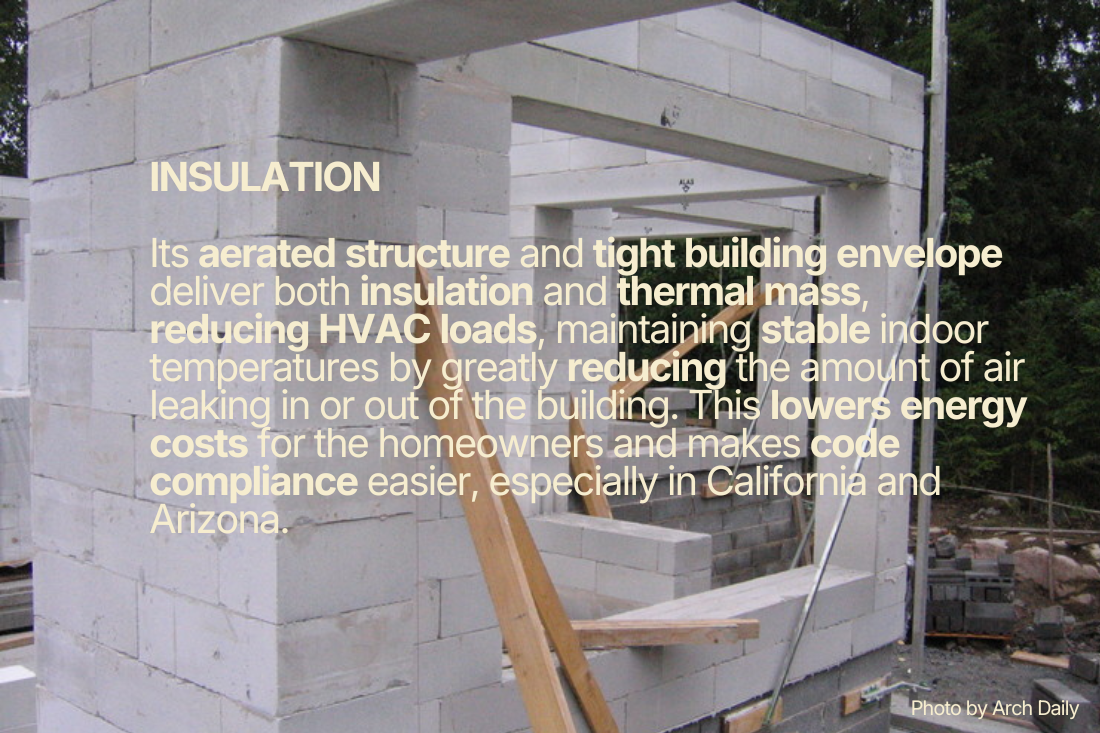
Its aerated structure and tight building envelope deliver both insulation and thermal mass, reducing HVAC loads, maintaining stable indoor temperatures by greatly reducing the amount of air leaking in or out of the building. This lowers energy costs for the homeowners and makes code compliance easier, especially in California and Arizona.
Because of the thermal mass, building with AAC dampens sound, creating a major benefit in multi-family or mixed-use projects.
AAC is also insect resistance, more earthquake-resistant, and easy to cut and shape into more unique designs.
When deciding what material to build your home with, it’s important to keep both the advantages and the disadvantages in mind. Here are 3 disadvantages of AAC:
Because AAC blocks typically have about half the compressive strength of traditional concrete blocks, it is important that they are used in appropriate applications. Proper mortar application is essential to bond the blocks effectively and create a stable structure.
Because of the aerating agents used in their production, autoclaved aerated concrete blocks are generally more expensive than traditional concrete blocks. However, in the long run with how much the residents save on energy costs, it is a long-term investment that is also vastly more fire-resistant, an important advantage to keep in mind especially in western states.
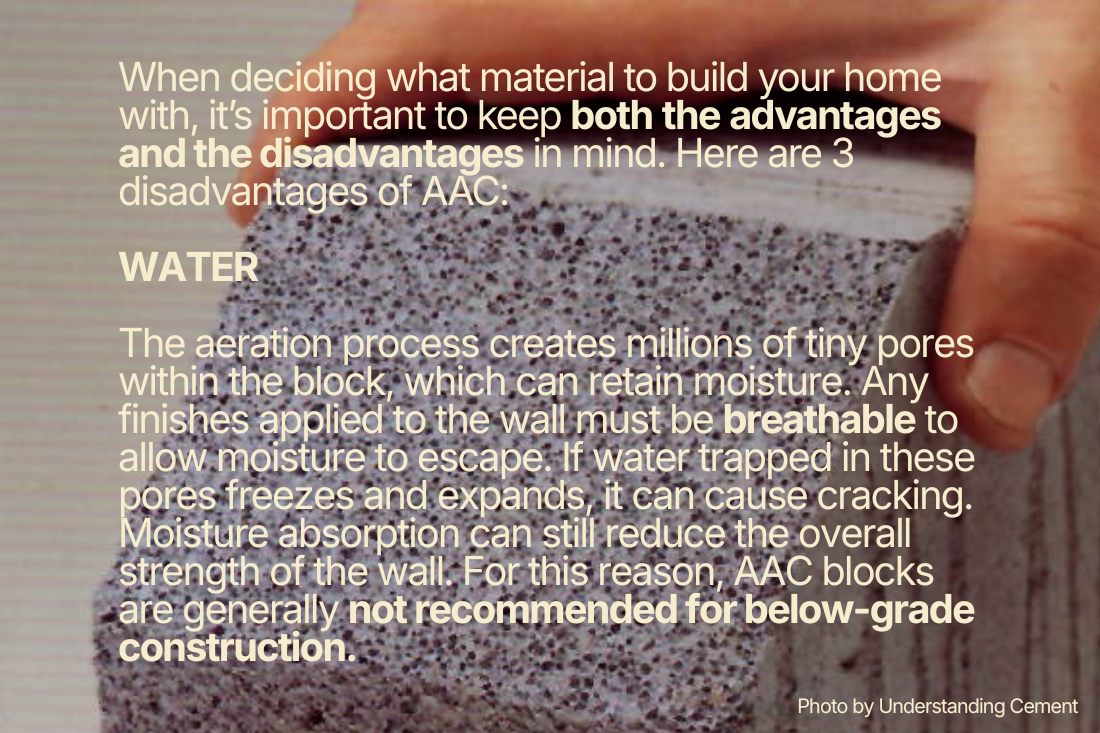
The aeration process creates millions of tiny pores within the block, which can retain moisture. Because of this, any finishes applied to the wall must be breathable to allow moisture to escape. If water trapped in these pores freezes and expands, it can cause cracking that may damage the structure. Even when cracking does not occur, moisture absorption can still reduce the overall strength of the wall. For this reason, AAC blocks are generally not recommended for below-grade construction.
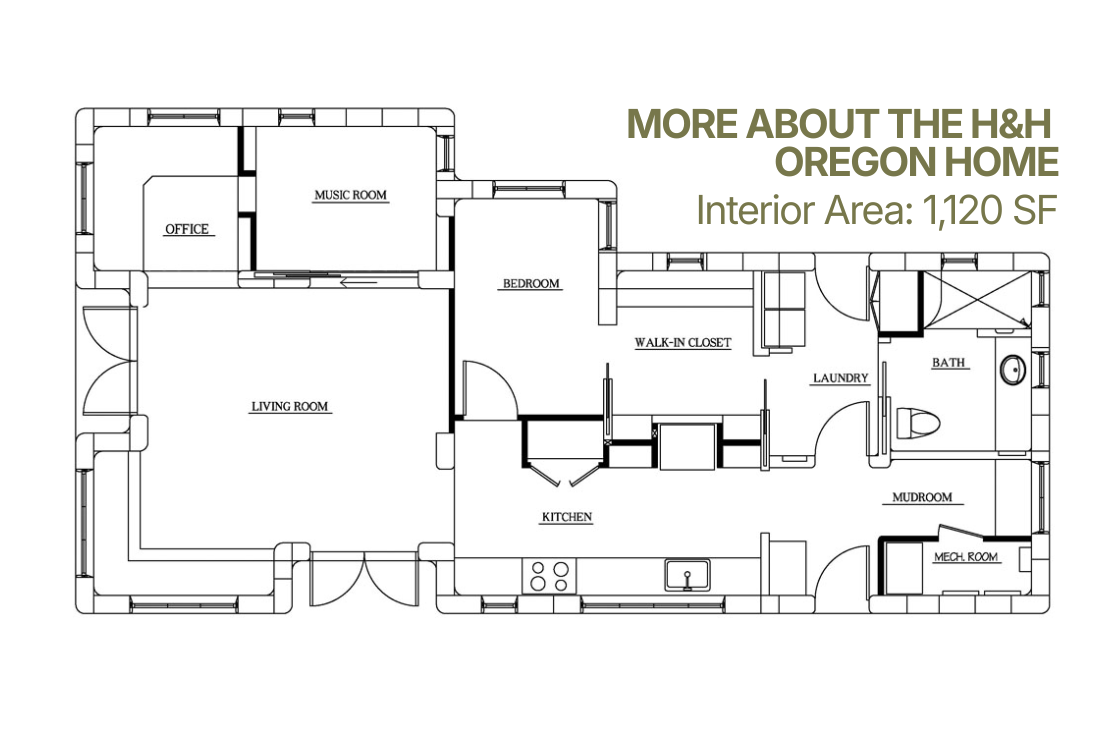
More about this Oregonian Home:
The owner of this beautiful 55-acre site situated in the foothills of the Cascade Mountains in Bend, Oregon wanted to design a cluster of buildings integrating the latest green technologies while maintaining a high level of fire resistance. H&H was a consultant to the owner, who was the lead designer, in order to help make her ideas a reality, creating a small residence that connects the indoors and outdoors, a separate pool house that heats the water through solar evacuated tube collectors, an attached art studio / garage with a roof-top deck, and a detached garage / workshop / utility building. The owner selected (AAC) block for the wall system because of the fire-resistive and insulation qualities. They are also easy to sculpt—allowing for softened corners and parapets. The rusted metal roof and earth-colored plaster help the home blend into the site. Salvaged timbers were used for the posts of the art studio and for outrigger supports on all the roofs. The owner created the mosaic tile details and selected the sustainable interior finishes, including the American Clay plaster which gives a warm adobe-feel to the AAC walls.
Learn more about AAC at www.aircreteamerica.com
Manufacturer Info:
Aircrete America
406-414-7337
ryan@aircreteamerica.com
www.AircreteAmerica.com
Learn more about Green Building Techniques on our website informational page.

Leave A Comment