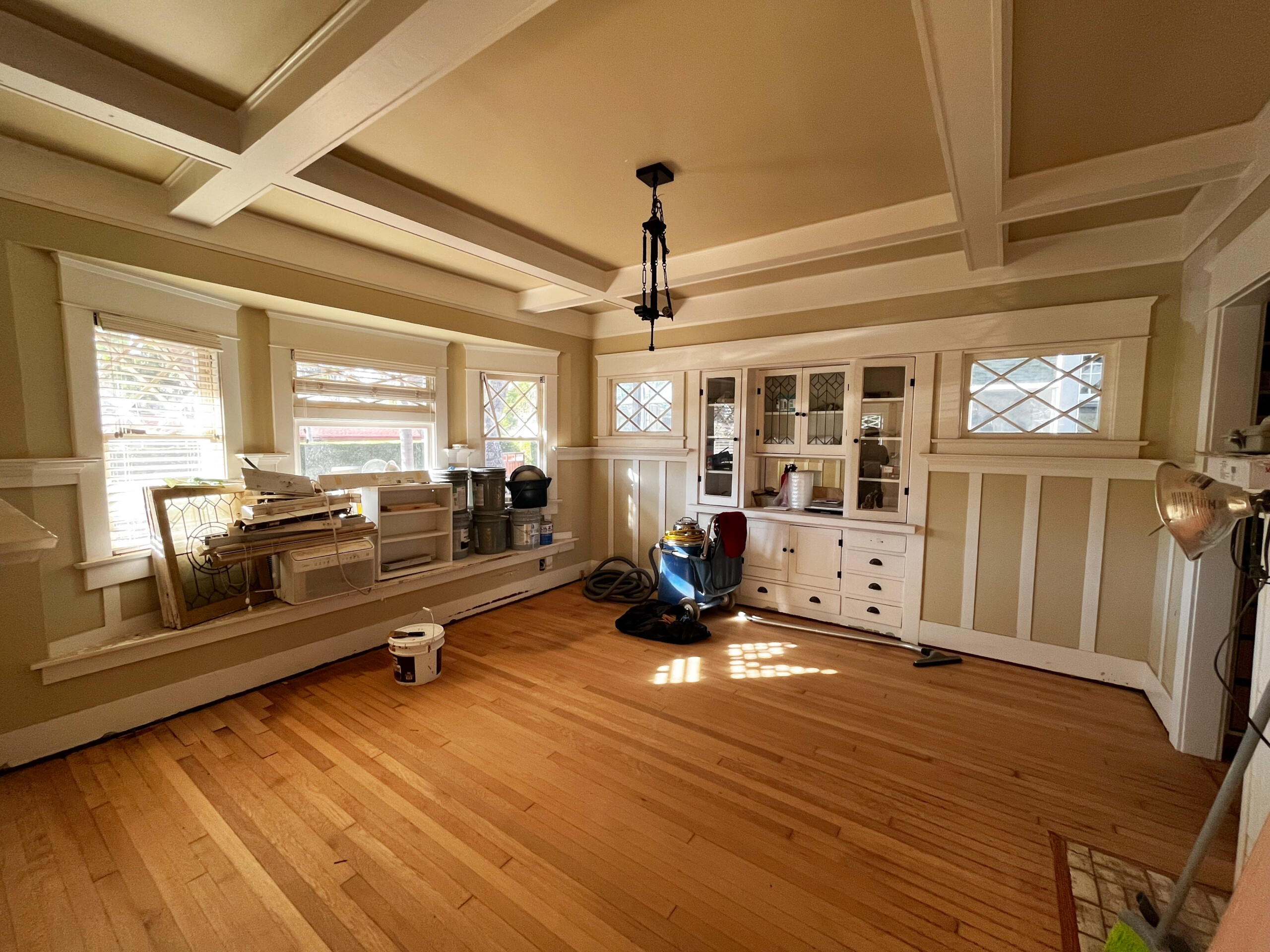
What is historical preservation?
Historic preservation in architecture is all about protecting and keeping buildings and structures that have cultural or historical significance. It’s not just about preventing them from being torn down, but instead restoring them. The main goal is to rehabilitate these historic places to ensure that they stay strong and beautiful while also making them useful for modern life.
How does it relate to sustainability?
Reusing existing buildings instead of building new is a very eco-conscious approach to architecture. Preserving buildings saves resources and keeps excess material out of landfills. In addition, older buildings were often built from strong, long-lasting materials and can be quite energy efficient.
What are the Benefits?
- CONSERVES ENERGY: Reusing existing buildings reduces the need to produce and manufacture new materials.
- DIVERTS LANDFILL WASTE: Reusing existing buildings reduces the demolition waste from going to the landfill.
-
BUILDING PERFORMANCE: Strong, long-lasting materials like stone and brick take advantage of a passive design strategy called thermal mass. These materials can assist in reducing the need for mechanical heating and cooling systems.
- CONNECTION TO THE PAST: Historic buildings act like real-life time capsules, letting us see and understand how people lived in the past. They’re tangible reminders of history and culture, and they give awareness and appreciation to the building’s users today.
- PRESERVES CHARACTER: Historic buildings are often stunning, unique, and full of character. Preserving them helps keep our built environment beautiful and diverse.
- INCREASED PROPERTY VALUE: Properties located in historic districts tend to have higher property values when compared to properties in non-historic areas and individual buildings with historical status are highly sought after.
Check out our historic preservation projects:
Freson Historic Home
Rancho Alegria